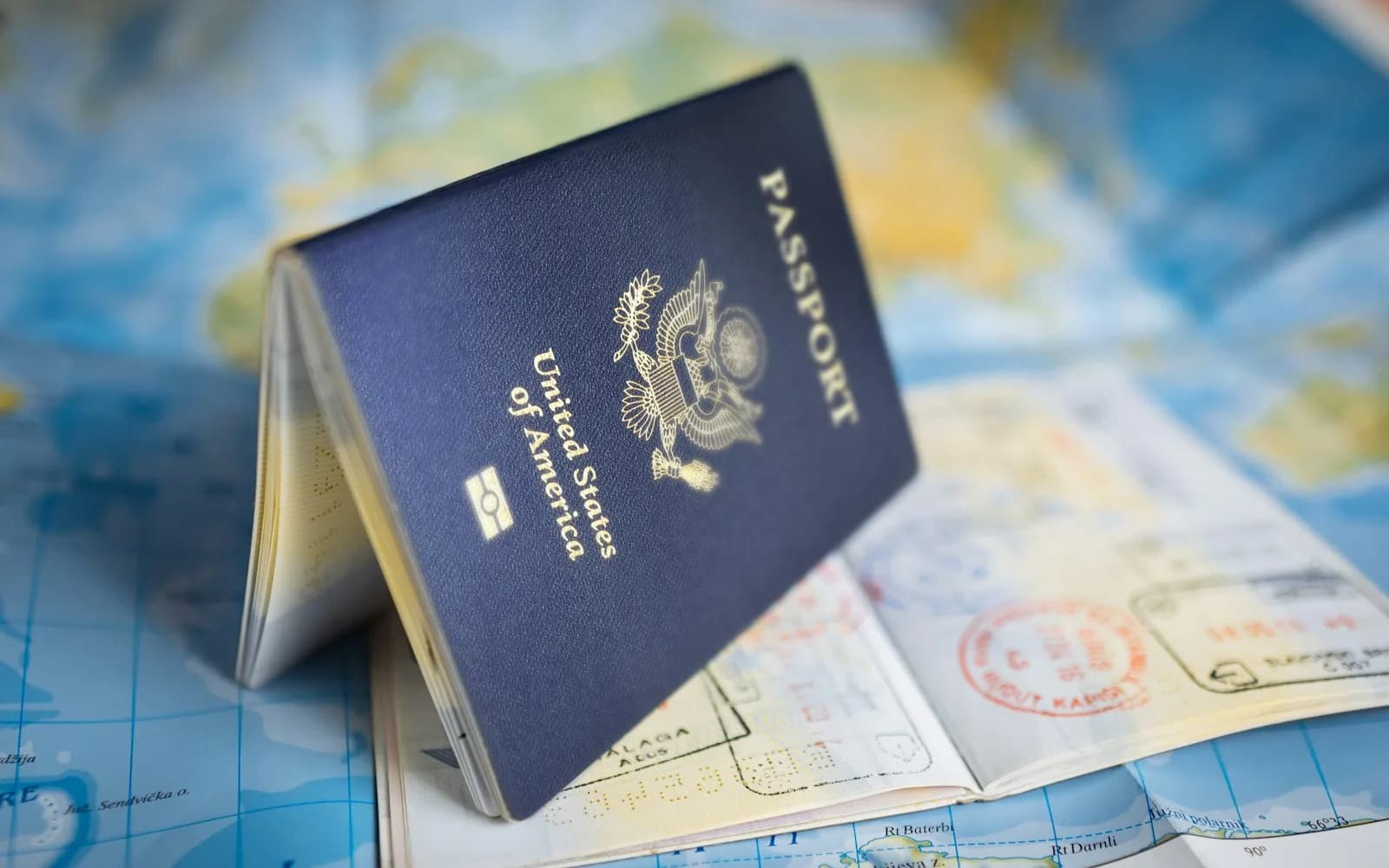
US visa refused under 214(b): what to do next
What a 214(b) refusal means, how it differs from 221(g), when to apply again and what to change in your documents and answers before the next interview.
- 214(b) means the consul didn't believe the trip is temporary: the law presumes every applicant is an immigrant until they prove otherwise.
- The law sets no waiting period. Reapplying makes sense once something that affects the decision has changed.
- A new application means paying the fee again: $185 for a tourist or student visa.
- Pactors will find you an expert free of charge to go over your form and answers.
A 214(b) refusal is the most common one for tourists and students. It isn't about a mistake in the documents: the consul simply wasn't convinced you'll go home.
What the law says
Section 214(b) of the Immigration and Nationality Act: every foreign national is presumed to be an immigrant until they convince the consul at the interview and the officer at the border that the trip is temporary. The rule doesn't apply to H-1B and L work visas or the V visa.
How 214(b) differs from 221(g)
| Refusal | Reason | What to do |
|---|---|---|
| 214(b) | the consul didn't believe the trip is temporary | a new application and a new fee once your circumstances change |
| 221(g) | the application doesn't meet the law or rules, for example an incomplete file | do what the consul asks |
Why 214(b) refusals happen
The consul weighs what keeps you at home: a job, a business, family, housing, past trips. If the ties are weak or the purpose of the trip sounds unconvincing, the consul refuses.
For Russians there's one more point. Since 6 September 2025 you apply in your country of nationality or residence; for Russian nationals the State Department has designated the embassies in Astana and Warsaw. If you apply where you live, you need to prove residence. The experience of applying from Georgia is covered in the article on the US visa from Georgia.
When to apply again
The law sets no waiting period after a 214(b) refusal. Reapplying makes sense once something that affects the decision has changed: your job, income, marital status, travel history or purpose of the visit. If nothing has changed, the consul has nothing new to base a different decision on.
What to prepare
- documents on your ties to home: a letter from your employer, bank statements, papers on a business or housing;
- a trip plan that matches the form;
- interview answers that don't contradict the form.
If the purpose of the trip is study or work, apply for the right visa: a tourist visa won't do. What different visas cost is gathered in the article on US visa costs. A specialist in the US tourist visa can help with the form and preparation.
Common questions
Is the fee refunded after a refusal?
What fee do I pay when reapplying?
Sources
- 8 U.S.C. 1184 (INA 214(b))
- 8 U.S.C. 1201 (INA 221(g))
- 22 CFR 22.1 — consular fees
- U.S. Embassy in Russia — nonimmigrant visas
Links checked on 27 September 2026